
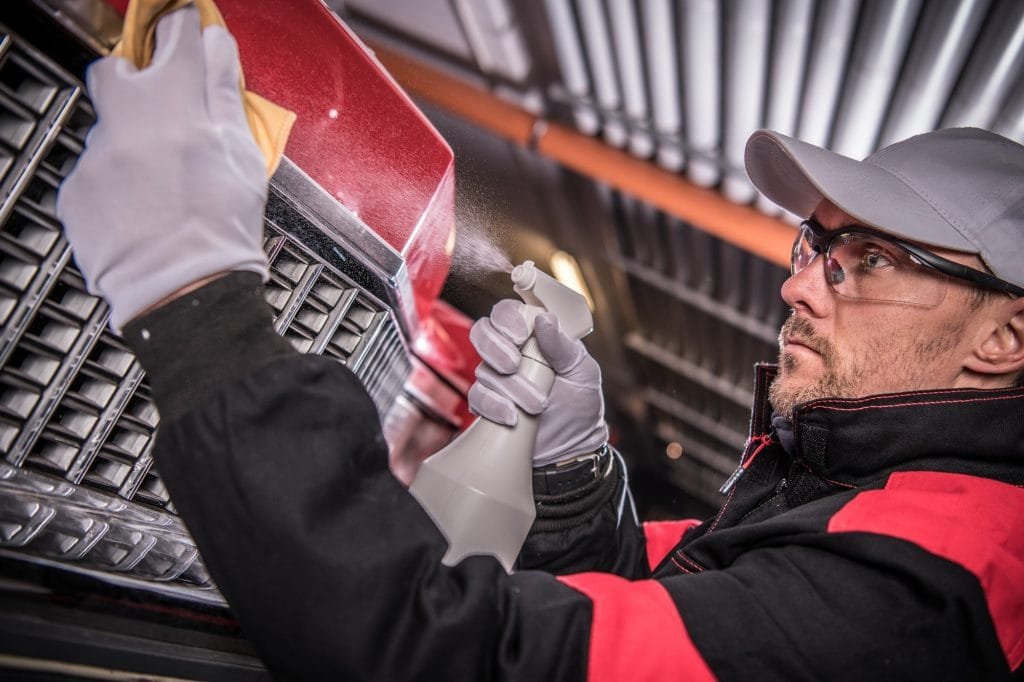
A vinyl wrap is one of the most flexible ways to change the look of a car, protect the original paint or turn a vehicle into a moving advertisement for a business. A quality wrap is durable, but it is not indestructible. In a Canadian climate, the months from October to April bring road salt, sand, slush and repeated freeze and thaw cycles, all of which put extra stress on the film. With a bit of care, though, a wrap can come through the cold season looking just as good as it did in summer.
Why the Cold Season Is Hard on Vinyl
Vinyl film becomes less flexible as temperatures drop. That makes it more vulnerable to impacts from stones and ice chunks, and edges and seams can lift more easily if they are already under strain. Road salt and grime are a second problem. When they sit on the surface for long periods, they can dull the finish and leave stains that are harder to remove, especially on matte and satin films.
Preparation helps. Before winter arrives, check the wrap closely for lifting edges, small tears or bubbles. Small problems are much easier to fix in the fall than after months of salt and moisture have worked their way underneath.
Washing a Wrapped Car in Winter
Regular washing is the most important thing you can do, and in winter it matters even more. Rinse off salt and grime often rather than letting it build up. A hand wash with a soft mitt and a mild, pH neutral car shampoo is the safest option. Avoid harsh solvents and abrasive cleaners, and check that any product you use is suitable for vinyl.
Automatic car washes with brushes can scratch the film and catch on edges, so a touchless wash or hand wash is the better choice. If you use a pressure washer, keep the nozzle at a sensible distance, use a wide spray pattern and do not aim directly at edges and seams. Dry the car with a clean microfibre towel to avoid water spots.
Snow and Ice Removal Without Damage
Clearing snow is where many wraps get damaged. Never use an ice scraper on wrapped panels, as it can cut or tear the film in seconds. Use a soft snow brush or a foam snow broom to push snow off the car, and let the defroster handle ice on the glass. If ice has formed on wrapped body panels, it is better to wait for it to soften than to chip at it.
Parking in a garage or under a carport whenever possible reduces both the amount of snow you have to clear and the number of freeze and thaw cycles the film goes through.
Extra Protection for the Season
Some wrap manufacturers offer or recommend protective sprays and coatings that are compatible with their films. These can make washing easier and help the surface shed water and dirt. Always check that a product is suitable for your type of film, particularly if your wrap has a matte or textured finish, since some waxes and polishes can leave a shine or residue on these surfaces.
For business vehicles, keeping the wrap clean also keeps the branding readable and professional, which is the whole point of the investment. You can read more about this in our article on car branding with vinyl wrapping.
When to Have a Wrap Checked
If you notice an edge starting to lift, a tear, or discolouration that does not wash off, it is worth having the wrap inspected rather than trying to fix it yourself. A professional can often repair a damaged section without replacing the whole wrap. If you are considering a new wrap or a change of colour, our car vinyl wrap page explains the options.
Final Thoughts
A vinyl wrap does not need complicated care to survive a Canadian winter. Frequent gentle washing, no ice scrapers on the film, sensible use of pressure washers and a quick check of the edges before and after the season will go a long way toward keeping the colour and finish looking fresh for years.